British Ebola case 'concerning' as deadly outbreak continues to spread at alarming rate
A British healthcare worker who tested positive for Ebola while helping respond to the outbreak in the Democratic Republic of the Congo is being evacuated to the UK for specialist care. The UK government confirmed the diagnosis on 4 November and said the risk to the British public remains low.
When the outbreak was declared in May, it affected three health zones. By 5 November, it had reached 67 zones across eight provinces. Around 10,600 people had contracted the disease, and more than 5,100 had died, according to figures reported by the Associated Press. The Bundibugyo virus causes the outbreak, one of the viruses that cause Ebola disease.
The worker traveled to the country with a humanitarian organization. An official document reviewed by Reuters on 4 November described him as stable and set out plans for a specialist ambulance to meet him on arrival. The Associated Press reported the following day that he was expected to receive care at London’s Royal Free Hospital. Its isolation unit previously treated patients during the West African Ebola outbreak.
Why the risk differs for healthcare workers and the public
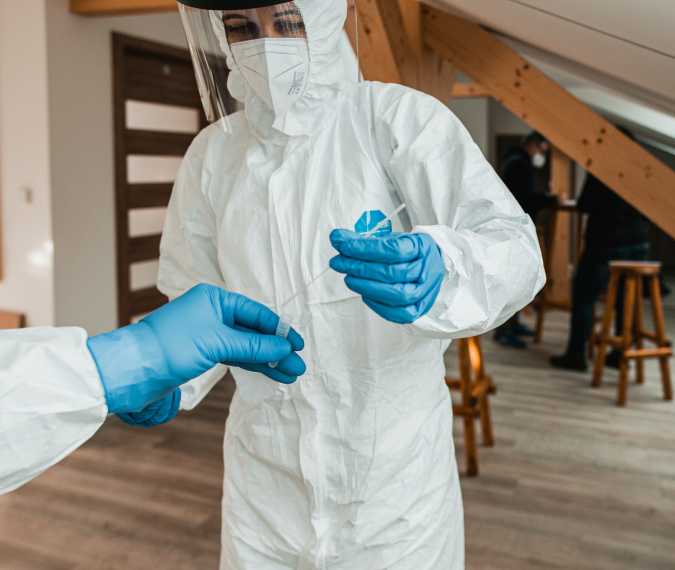
Ebola usually spreads when blood or other bodily fluids from someone who is ill enter another person’s body through broken skin or through the eyes, nose or mouth. For someone caring for a severely ill patient, cleaning up vomit or handling soiled bedding can bring them into contact with infectious fluids.
Dr Damien Tully, an infectious disease researcher at the London School of Hygiene & Tropical Medicine, said accidental exposure can occur even when frontline staff take precautions. A planned evacuation lets medical teams control who contacts the patient and use protective equipment throughout the journey. Tully assessed the public risk from this transfer as extremely low.

